
Calendar
Biolace
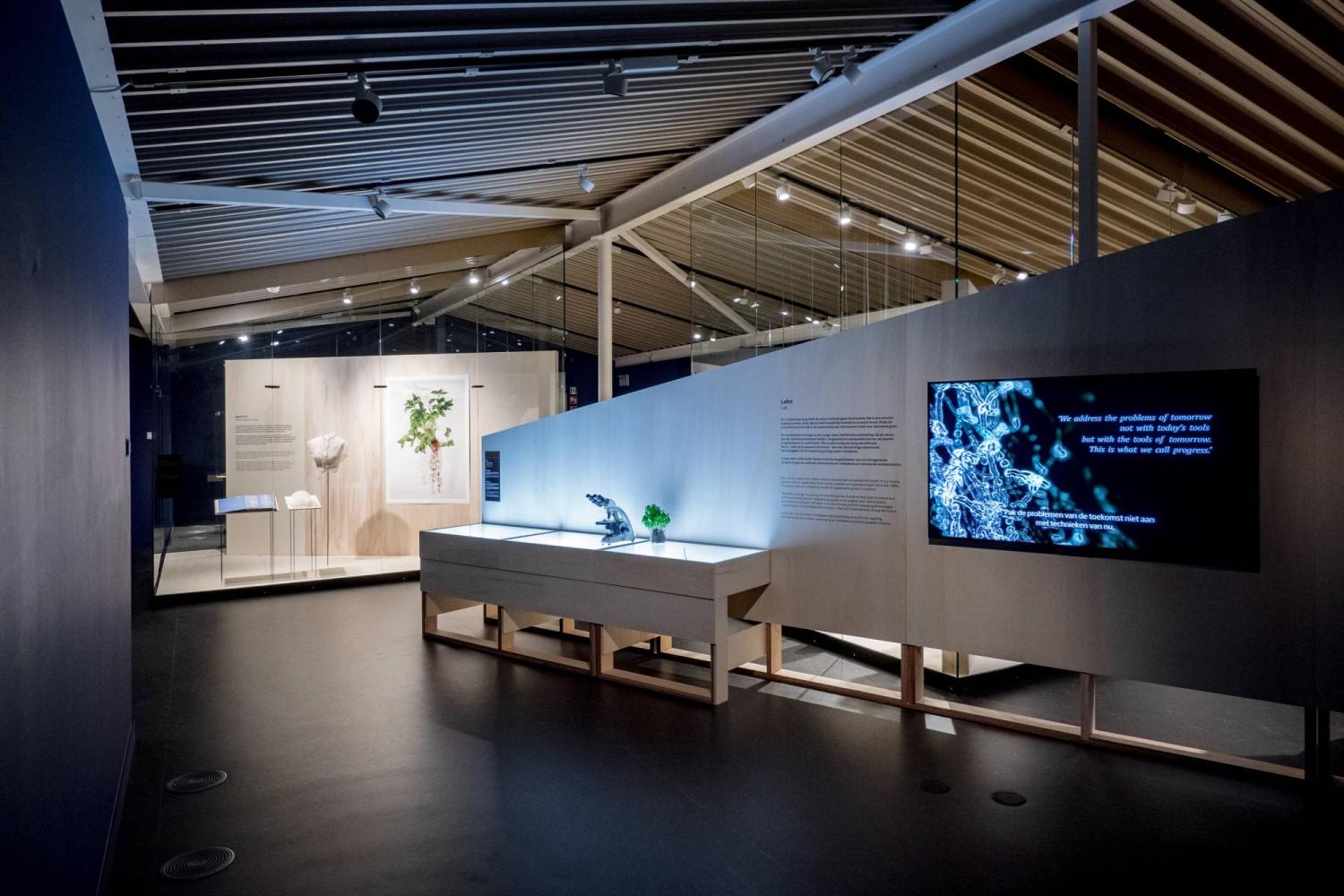
What if you could harvest both nutritious strawberries and a 'ready-to-pick' lace dress from a plant? Carole Collet has dedicated her career to developing a new, future-oriented vision of design and is playing a pioneering role in this field. Since 2012, she has been working on Biolace, a research project that combines textiles, food production and sustainability. This unique lace exhibition combined a biotechnical vision for the year 2050 with high-quality, rare lace from the Texture collection. Welcome to the world of Biolace.
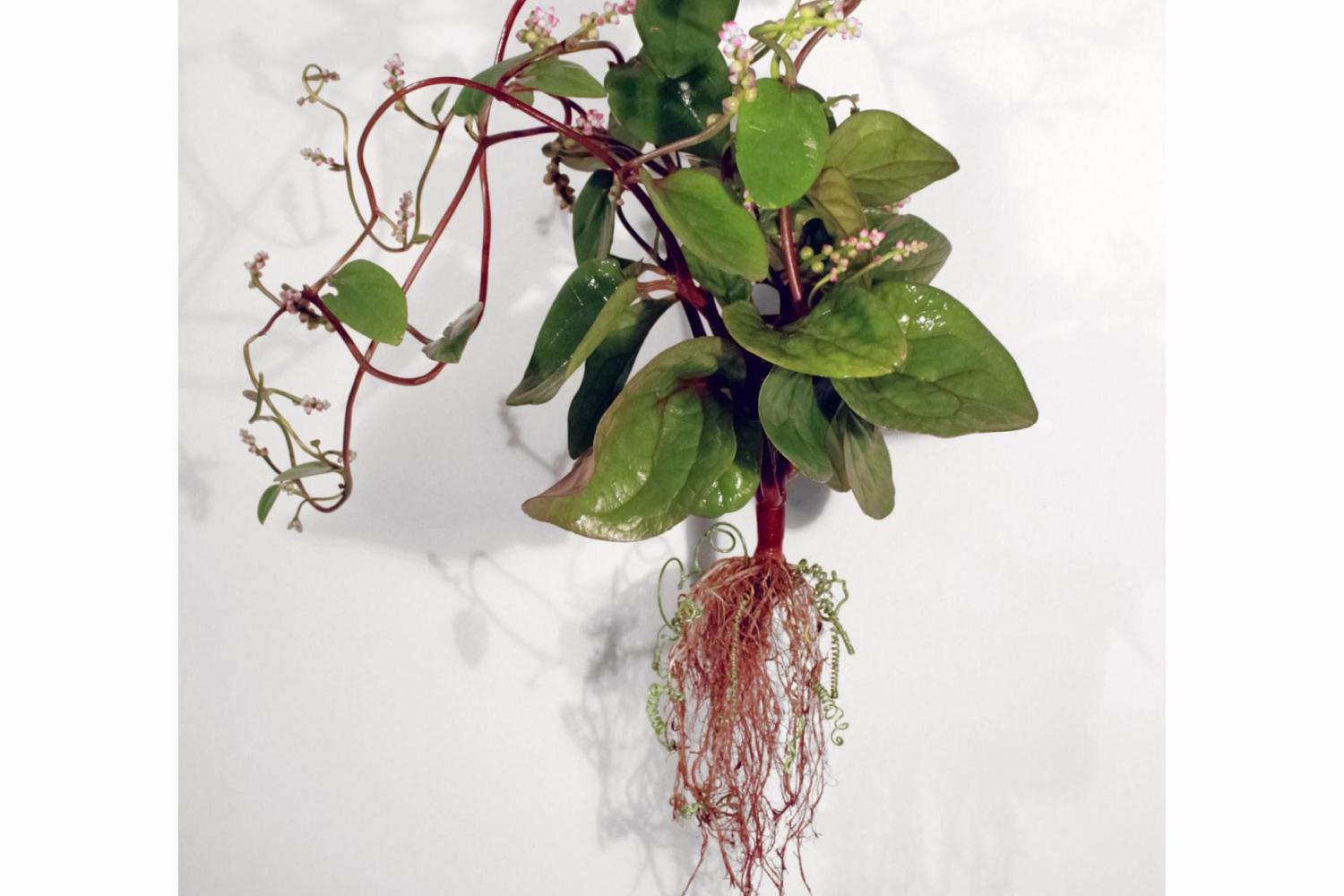
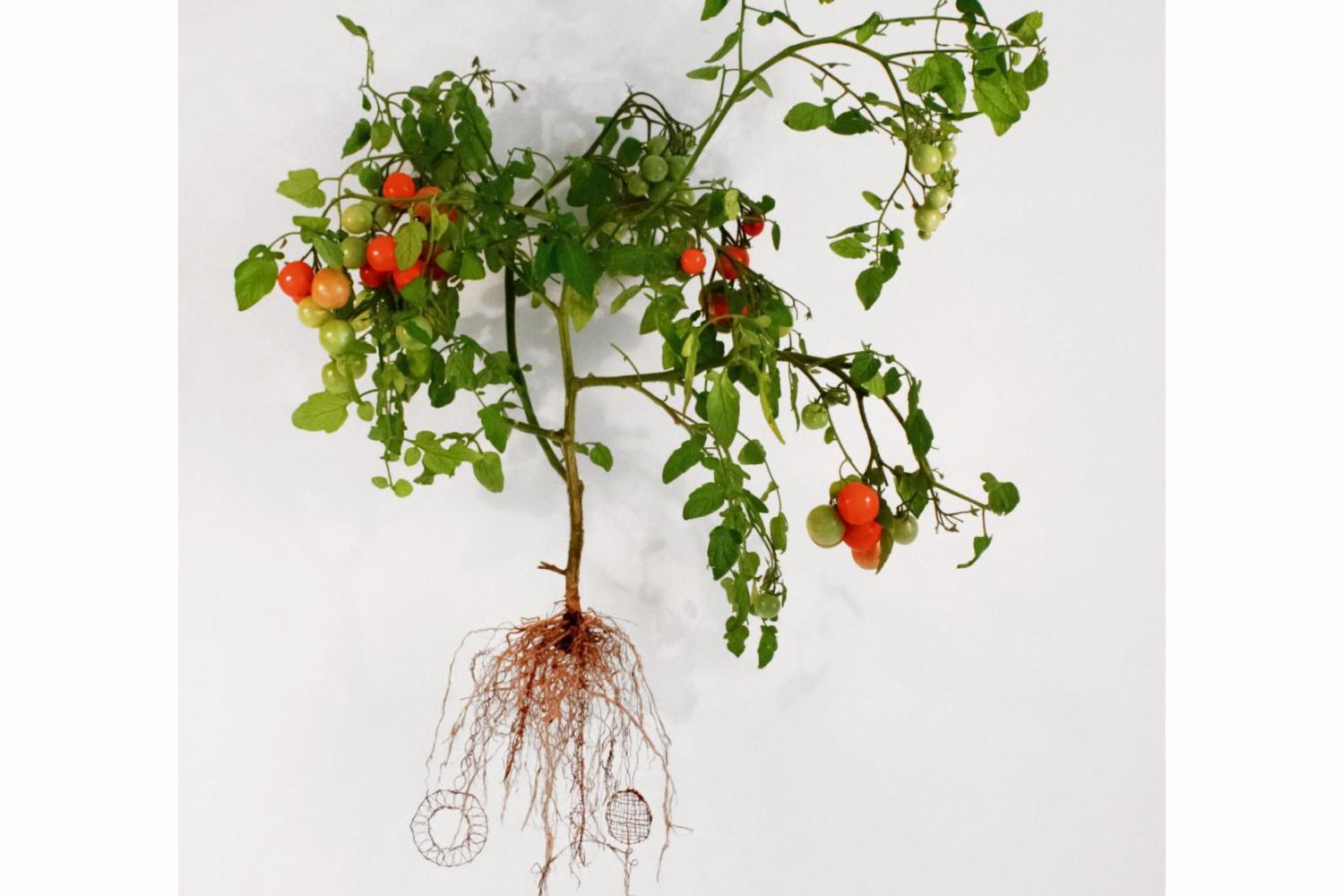
Biolace introduced four (yet) imaginary plants: Basil n° 5, Gold Nano Spinach, Factor 60 Tomato and Strawberry Noir. Their DNA is programmed so that their roots grow in a lace pattern. Texture linked unique lace pieces from the museum collection to these four plant themes. In this way, a range of fine lace strips, black Chantilly and lace with gold and silver thread interweave the past and present in a guideline for the future. The exhibition thus highlighted the relationship between the quality and craftsmanship that is so characteristic of lacemaking and a bold vision of the future in which 'plant bobbins' are no longer so far-fetched.

Carole Collet is Professor of Design for Sustainable Futures at the renowned Central Saint Martins, School of Arts London. In 2000, Collet started the 'Textile Futures' programme there. She is a full-time professor, researcher and curator. Her research focuses primarily on biodesign, bioproduction and high-tech sustainability. In addition to being a researcher, she is also director of the Design & Living Systems Lab, a research laboratory dedicated to the intersections between biology and design.
2050: Overpopulation, climate change and extreme resource shortages challenge us to think radically differently. New, yet imaginary, organisms have been genetically engineered to produce textiles and improved food crops. And all that in a single plant. 'Synthetic biology' is a young but promising science that views nature as a technical issue. Through genetic manipulation, we can programme and control plants. The European Commission has named it one of the powerful emerging technologies that will profoundly change the future. In her laboratory, Carole Collet is investigating the possibilities of such advanced biotechnology as a surprising answer to an outdated and polluting textile industry.
This led to Biolace. With tweezers, needles and a lot of patience, Carole Collet starts 'plant lacemaking' with living strawberry and tomato roots. She designs, copies, braids and weaves. With pins and pricks, she naturally ends up with lace motifs. Lace that grows from the roots of four (yet) imaginary plants: Basil n°5, Spinach Nano Gold, Factor 60 Tomato and Strawberry Noir. Their DNA is programmed in such a way that a new hybrid plant is created that produces food (the leaves and fruits) on the one hand and textiles (roots) on the other. Whereas lace production was long the preserve of lace makers working on commission for lace merchants, by 2050 textiles may well be growing on plants, thanks to the collaboration between the designer and the biologist.

RELIVE BIOLACE